Hello everyone,
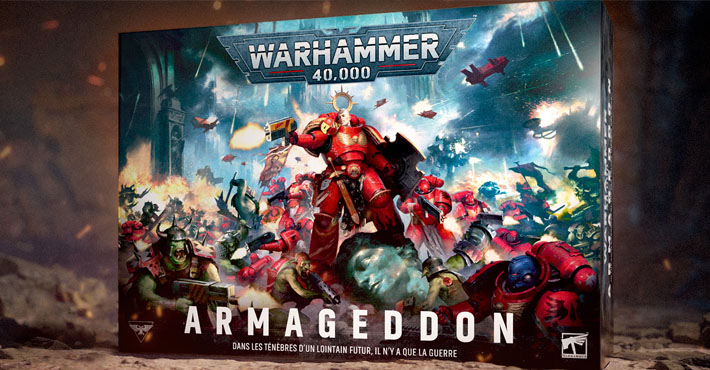
Games Workshop revealed yesterday the full contents of the V11 launch box. Here, we’ll offer our analysis, as well as the questions this release raises.
Let’s be honest: the excitement surrounding this announcement wasn’t at its peak. This is probably partly due to the publisher’s communication strategy. Indeed, revealing a large portion of the miniatures even before the official presentation of the box was likely not the best approach to create the expected sense of surprise.
That said, beyond this somewhat unusual context, the content remains rich and deserves a closer look. We’ll therefore go through each miniature before concluding with our expectations for this new edition.
Space Marines:
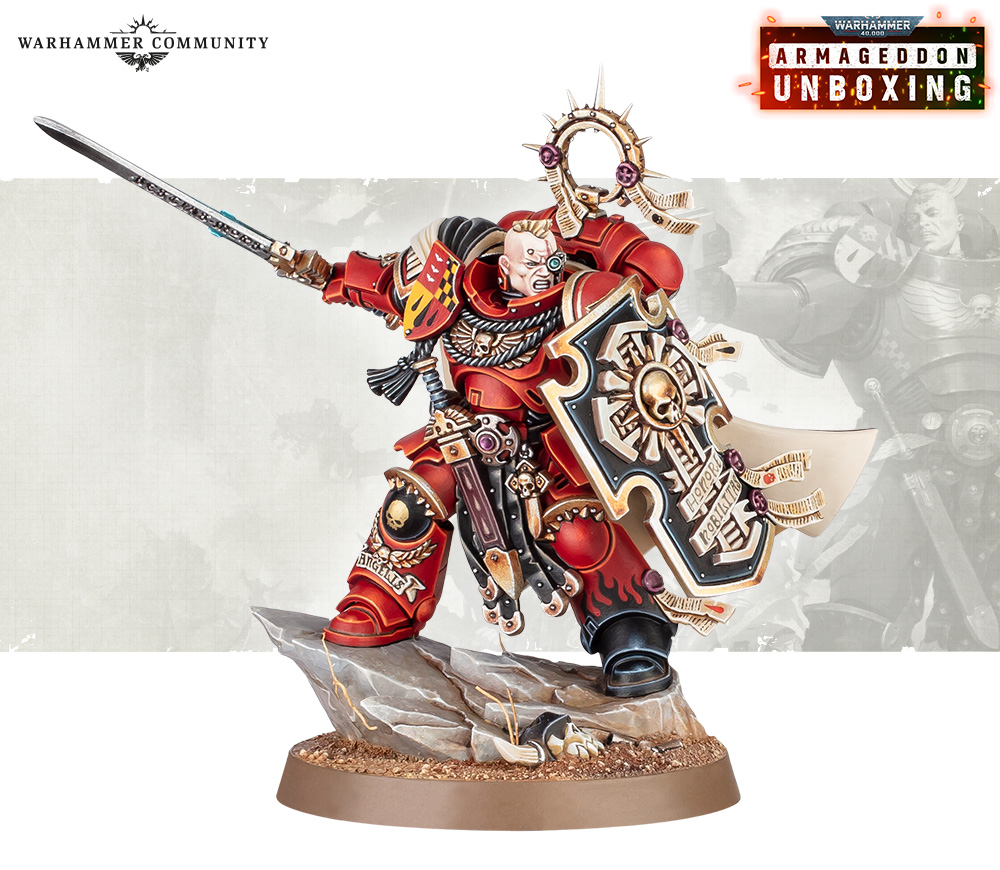
Let’s start with the Space Marine Captain. The miniature features a dynamic pose, with a real sense of movement, and particularly refined details that will appeal to both painters and players. The inclusion of three head options is a welcome addition, offering a bit of customization, always appreciated on this kind of centerpiece model.
The main drawback, however, is its somewhat redundant feel. This captain gives a sense of déjà vu compared to the existing model, which is still relatively recent. That’s all the more unfortunate since Games Workshop could easily have avoided this impression with a more distinctive equipment option. A thunder hammer, for example, would have been enough to give it a unique identity. By comparison, we clearly prefer the pose of this new version, which is more dynamic, but we still slightly favor the shield from the older model, which had more character. Despite these reservations, it remains a very successful miniature that will easily find its place on gaming tables as well as in display cabinets.
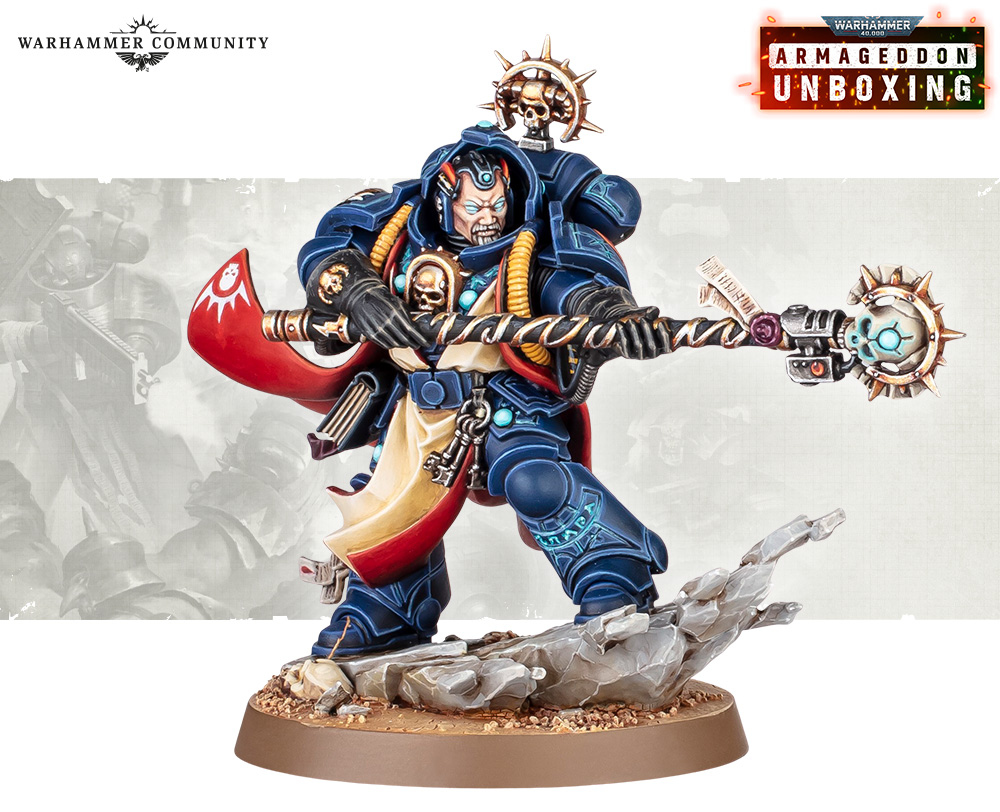
The Librarian is a great nod to the old Firstborn model, which left its mark on previous editions thanks to a successful resculpt. Here, it’s hard to find any real flaws. The miniature offers a dynamic pose, with the option to choose between a helmeted head or a bare one—always a welcome feature. There’s also slightly more armor than on the previous Primaris version, which enhances its presence on the tabletop.
The different equipment helps avoid the sense of duplication seen in other entries in this box. That’s an important point, especially since the older model, having built it, wasn’t particularly beginner-friendly. From that perspective, offering a new version feels entirely relevant, and even welcome. So a potential replacement doesn’t strike us as an issue.
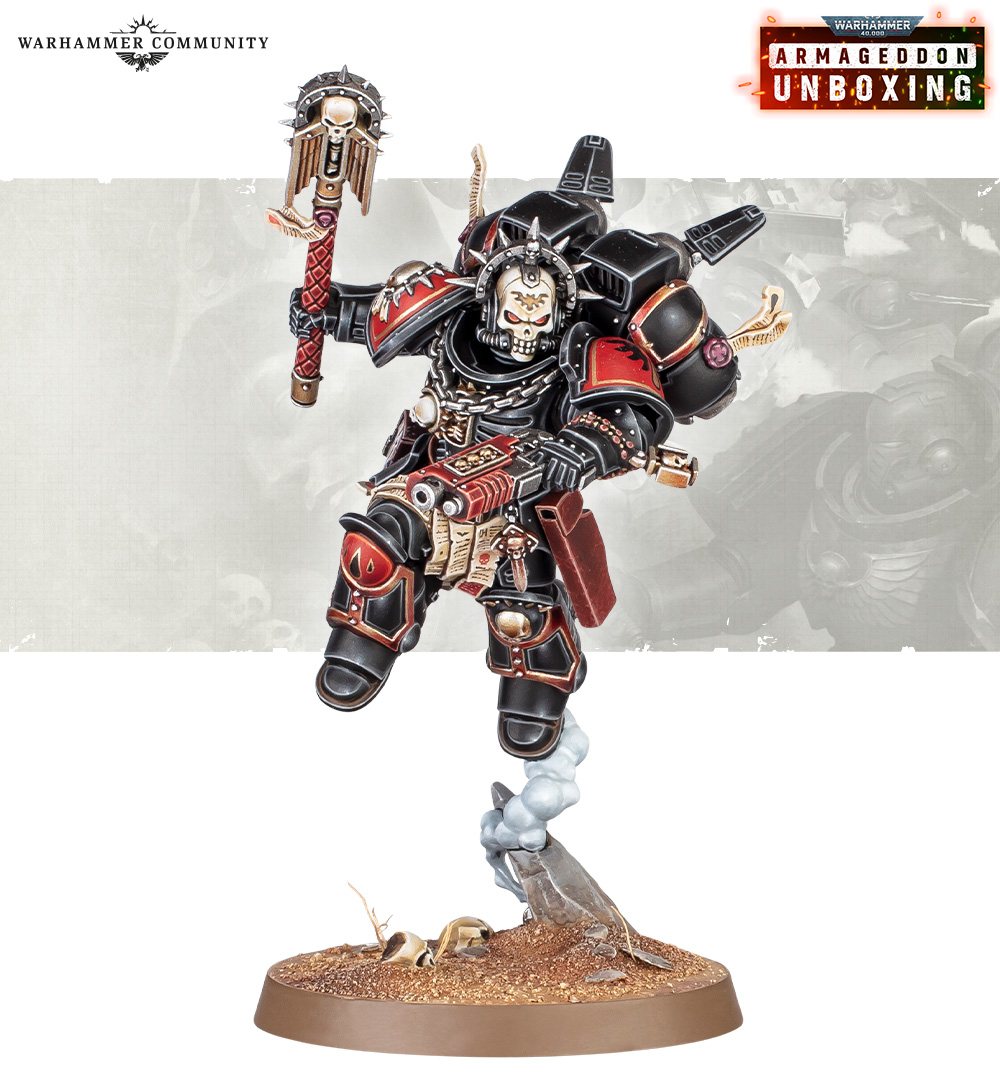
Unsurprisingly, since the miniature had already been revealed beforehand, the Chaplain with jump pack finally makes its appearance in this box. It’s a bit of a shame, however, that it wasn’t highlighted again during yesterday’s official presentation. That’s all the more unfortunate given that this is a highly anticipated new release: until now, there hadn’t been a truly modern generic version. The only close equivalent was an older miniature originally tied to the Blood Angels, which somewhat limited its use or visual identity for other chapters.
Here, Games Workshop finally delivers a clear, well-executed version that’s accessible to all Space Marine players. Beyond its aesthetics, this model above all addresses a long-standing frustration, the lack of a truly modern jump pack Chaplain in the range. In that regard, its inclusion in the box is fully justified and very welcome.
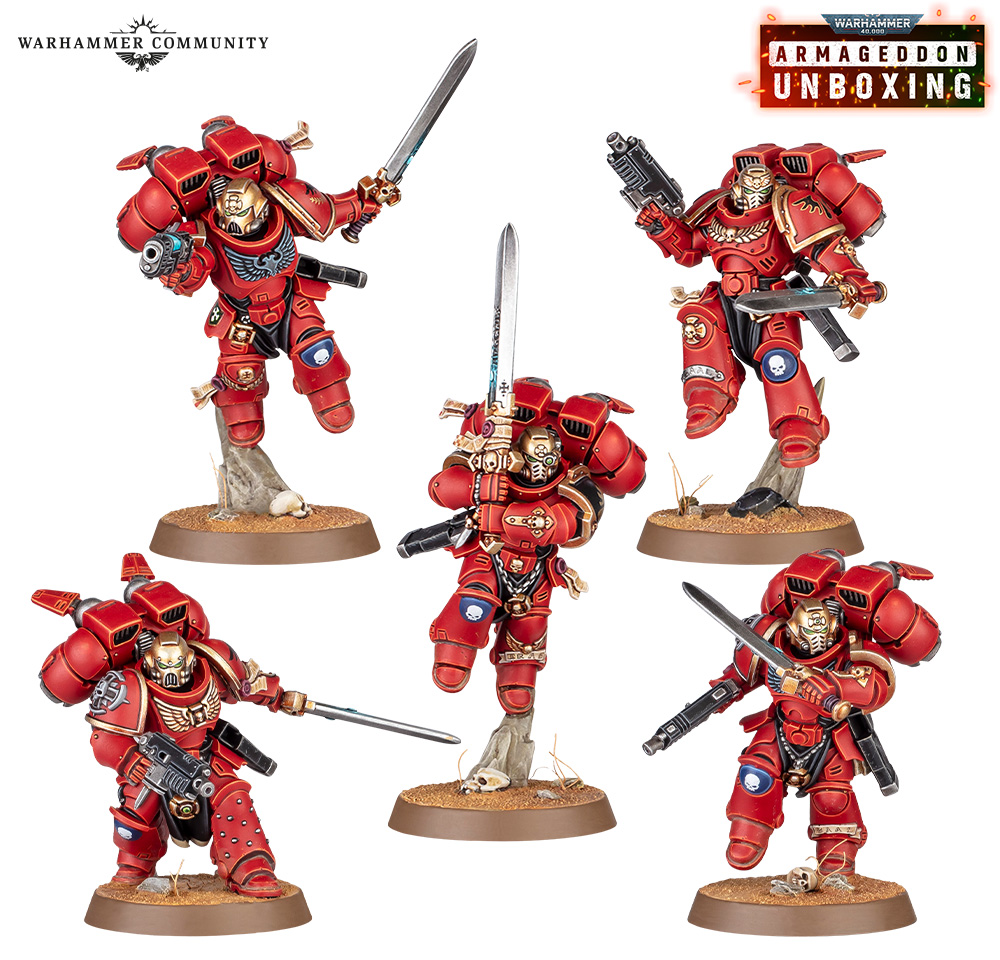
The Vanguard Veterans are finally moving up to Primaris scale, thereby leaving behind the list of last remaining Firstborn units that had not yet received an update. The squad certainly has its appeal: modern proportions, well-designed poses, and an overall coherence with the current artistic direction. However, this is also where the issue lies. For a veteran unit, the result may feel a little too understated. The models ultimately don’t stand out all that much from Jump Pack Intercessors, which weakens their visual identity on the tabletop. One might have hoped for more embellishments, honor markings, or distinctive elements in the spirit of the old kit, to better reflect their elite status. As it stands, the transition to Primaris is clean, but perhaps lacks a bit of character.
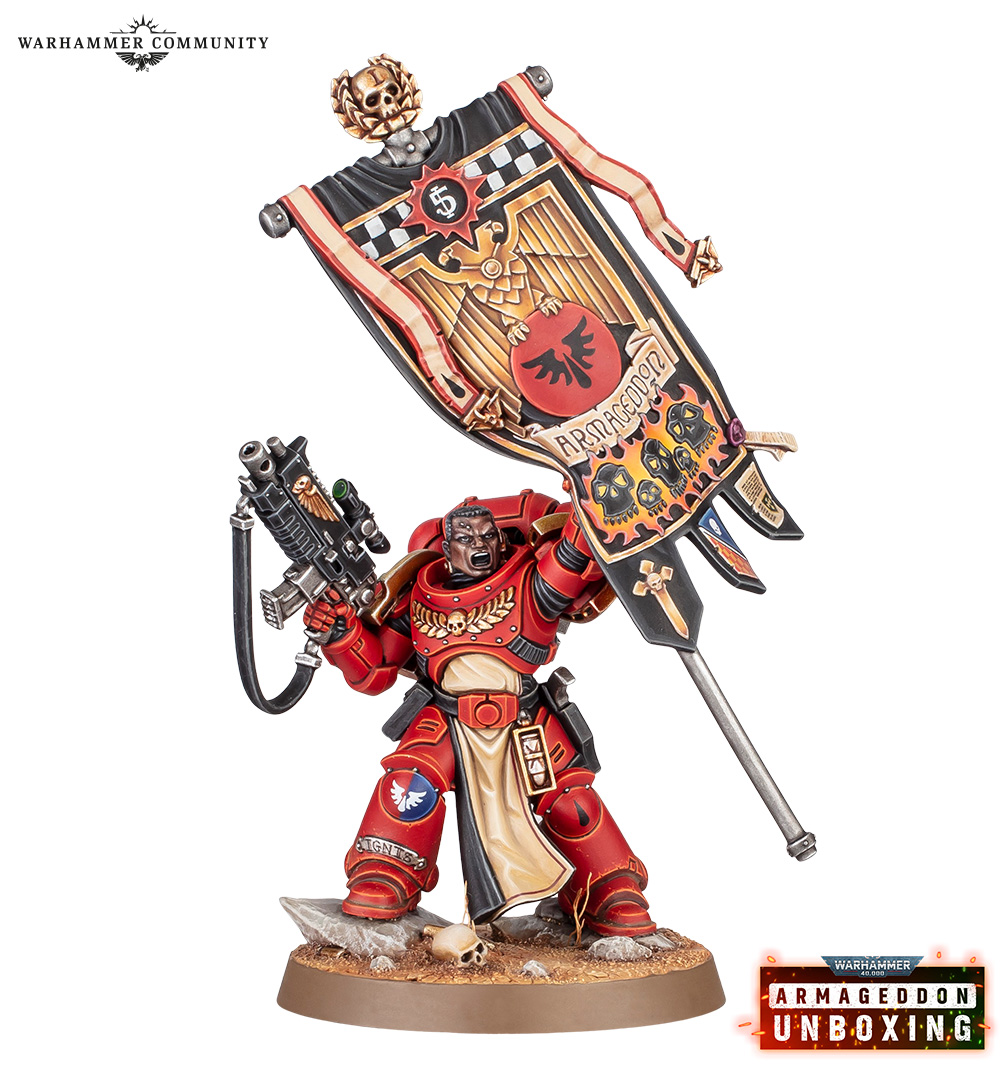
A new Ancient makes its appearance in the box, bringing the total number of Ancients available simultaneously in the range up to three. However, one may wonder whether this new entry was truly necessary. From a sculpting perspective, the banner is decent and clearly readable, but it features Armageddon-related elements, which suggests that this miniature will likely remain exclusive to the sprue in this box, without any intention of replacing the existing versions already available from Games Workshop.
The face, on the other hand, feels a bit less convincing at first glance, this will need to be reassessed once painted, although a helmeted head is fortunately included, allowing players to bypass this issue depending on preference. Overall, this release leaves a mixed impression. It is hard to avoid the feeling that an alternative choice, such as a Techmarine with a quad launcher, would have been more relevant and more interesting both in terms of gameplay and modelling potential. A missed opportunity, in short.
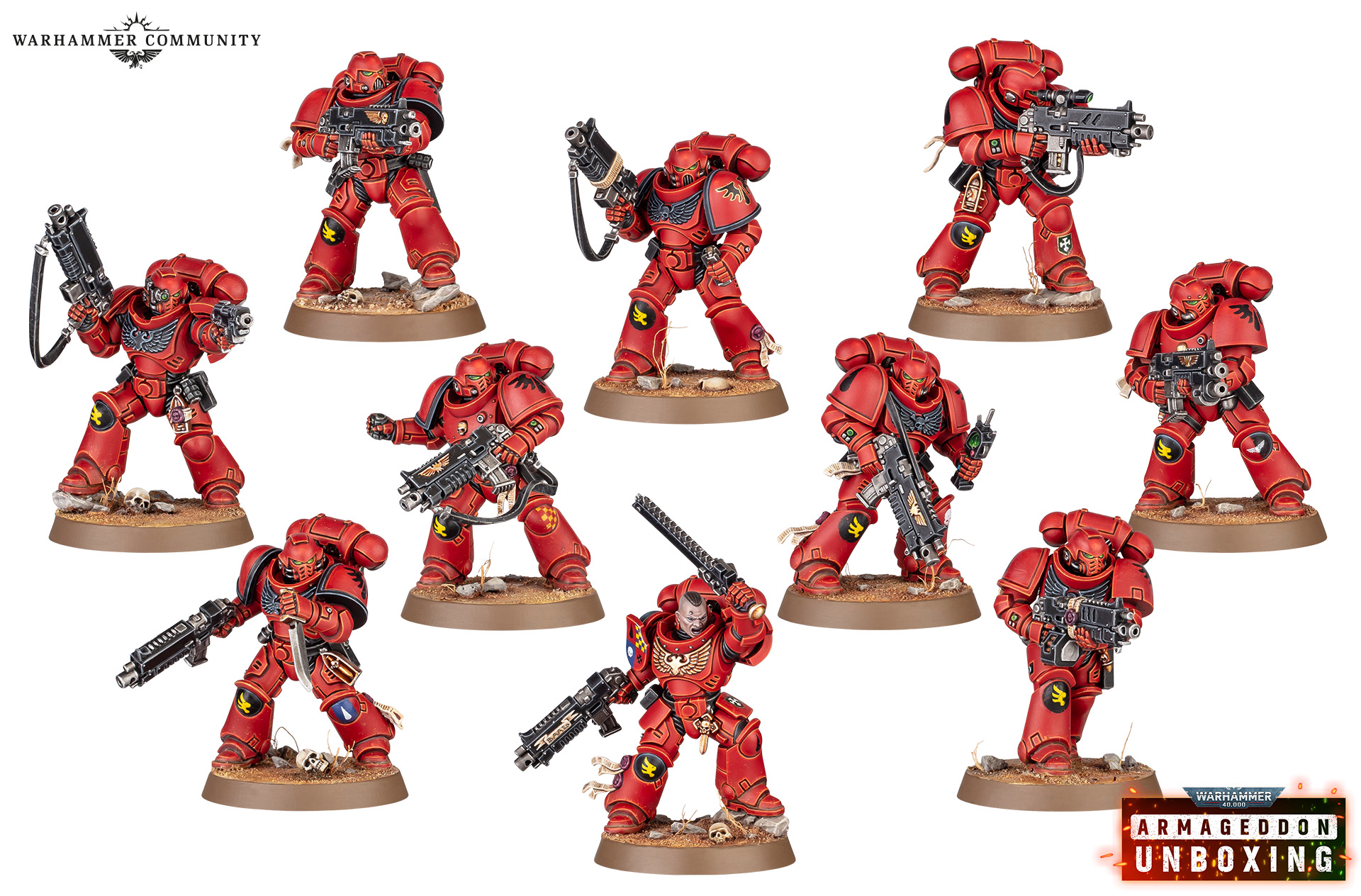
Much criticism has been directed at the Intercessors included in the box. Granted, there is nothing truly new here, but they do represent the core of a Space Marine army, which makes their inclusion fairly logical and, in my view, not particularly surprising. The miniatures feature relatively dynamic poses for an “easy to build” kit, which is still a welcome touch for a basic troop unit. What we get is something simple and effective, but without any real risk-taking.
It is true that the overall set lacks originality, but since the previous iteration had already highlighted Assault Intercessors, it is not particularly surprising to see a more standard version returning here. The level of detail is sufficient for their role, without going over the top. In the end, there is no real misstep: it’s clean, functional, but clearly not the most exciting part of the box.
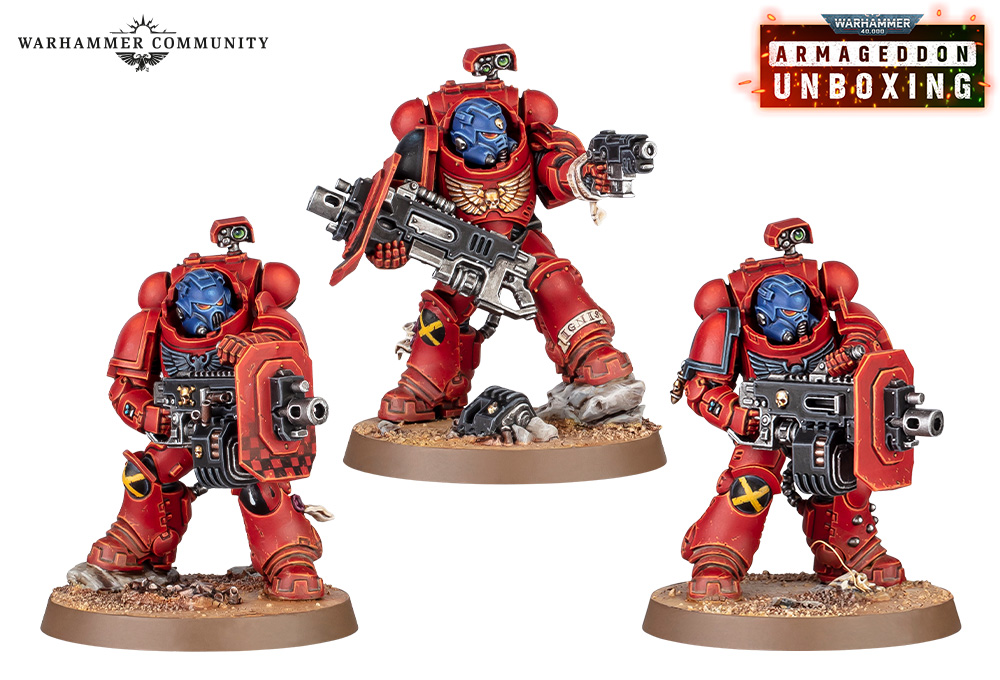
The Eradicators receive a new weapon option, yet the overall impression remains one of déjà vu. It also raises the question of whether the introduction of these heavy bolters marks a first step toward the gradual disappearance of the Firstborn Devastators.
If Eradicators were to gain additional weapon options beyond the melta rifle and heavy bolter, it would not be surprising to see them encroach further on the role of this long-standing unit. In this framework, Hellblasters already cover plasma weaponry, while Desolation Squads occupy the missile launcher role. That would leave Devastators with little more than lascannons and gravitic weapons to justify their continued existence.
To conclude the Space Marines section, the redesign of the Land Speeder confirms the ongoing trend of gradually replacing Firstborn units. The miniature can be mounted either on a “tactical rock” or on a clear flying stem, although it is still unclear whether this second option will actually be included in the box. In any case, the vehicle has been modernized in line with other recent updates, such as the Aeldari Vyper.
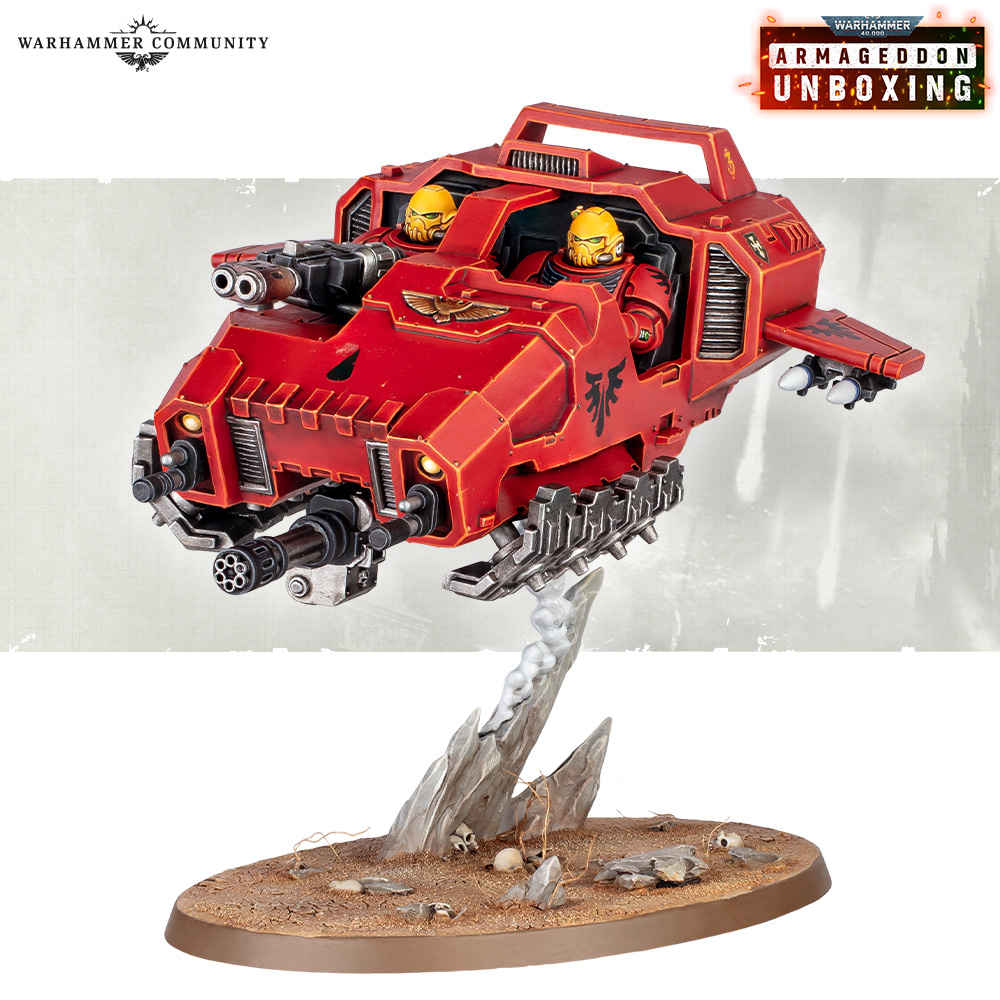
The result is not bad in itself: the sculpt is clean and consistent with Games Workshop’s current standards, but remains fairly conventional. There is nothing particularly striking here, and one might wonder whether a more ambitious miniature, such as an Ironclad Redemptor Dreadnought, would have had a stronger impact.
Conclusion – Space Marines:
The impression of déjà vu clearly dominates this portion of the box. The sculpting is generally up to Games Workshop’s usual standard, but even as Space Marine players, we are left somewhat underwhelmed. We probably would not have been tempted by this box if it had only contained the Space Marines side. The intent to replace Firstborn units is becoming increasingly evident, but in itself, offering updated sculpts for older units is not shocking, given the constant evolution of the range in recent years. We would give it a 4.5/10.
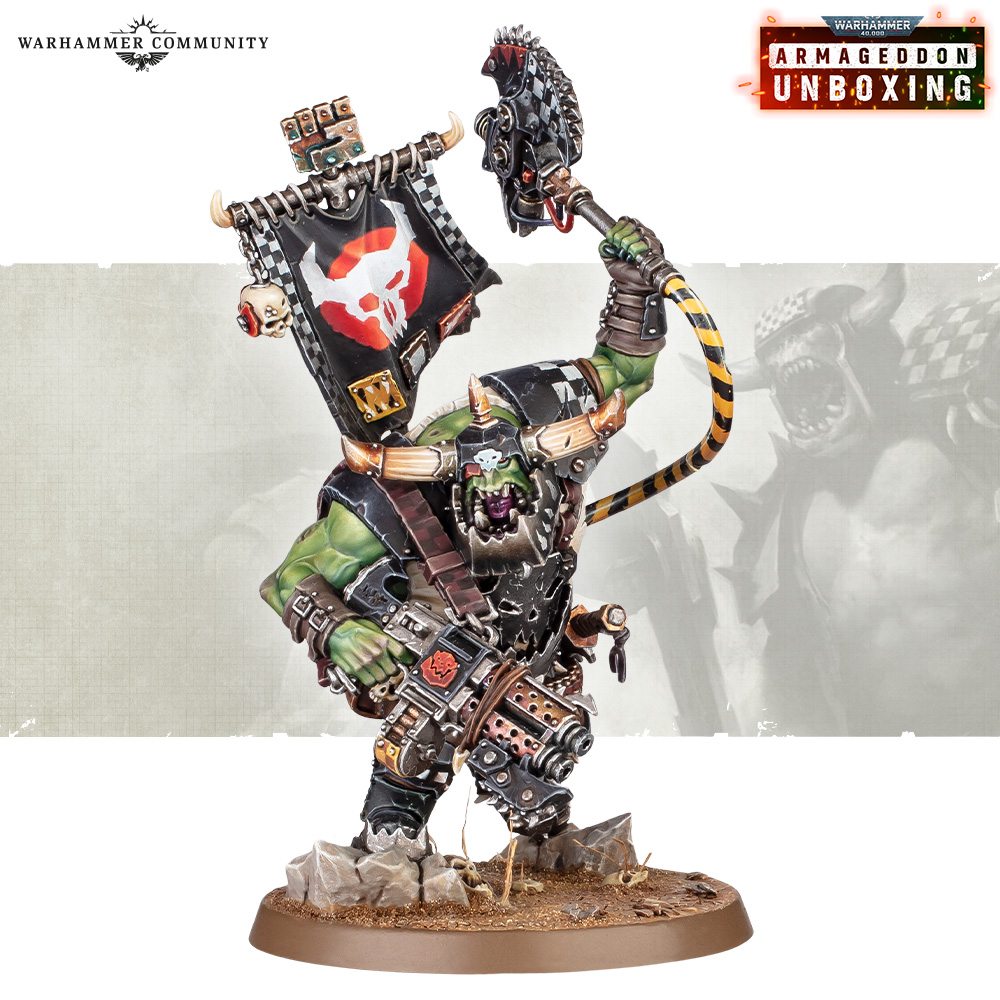
The Warboss makes his entrance, even though the existence of a future multi-kit already leaked slightly dampens the surprise effect around this new, massive sculpt. Despite that, the miniature is impressive. It has an imposing stature and a particularly well-executed level of detail, perfectly in line with the Ork aesthetic. The overall result is excellent and really captures the brutal, exuberant character of the faction.
We especially like this new version, and you’ll also see that we were waiting for this edition to present our updated Ork army. Even though other Warboss variants are expected to be released later, the diversity of Ork design still leaves a great deal of creative freedom. It is therefore quite likely that this version will retain its own distinct identity, separate from future iterations.
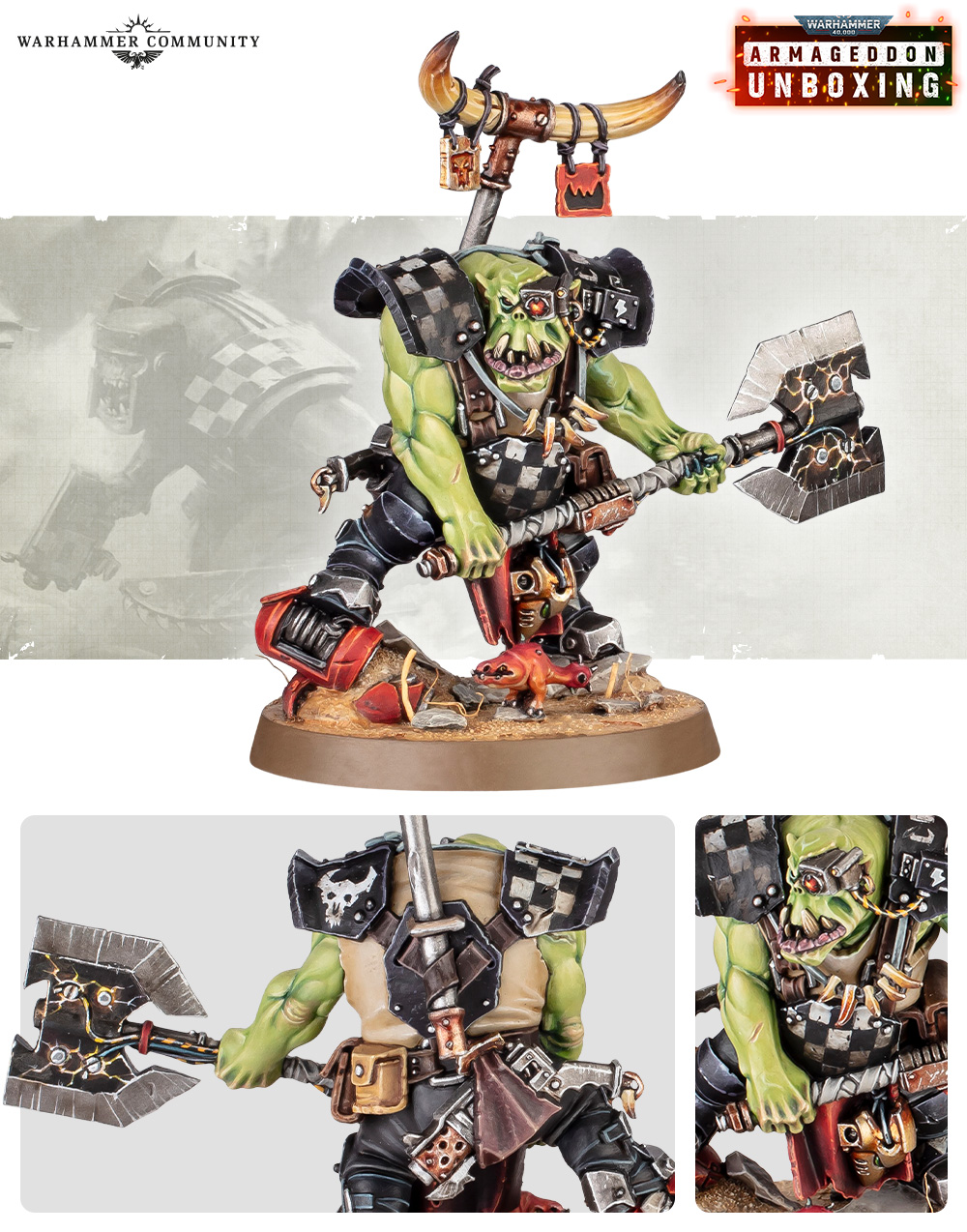
A surprise here with the Big Boss, which represents a less imposing version of the Warboss while still remaining fully in the Ork spirit. This is a particularly clever move from Games Workshop, as it avoids rendering older Ork war leaders obsolete in terms of scale, they can now naturally find their place as Big Boss. The miniature is relatively restrained, but well sculpted and still carries all the expected Ork character. It’s a solid, effective and coherent piece that fits easily into a collection.
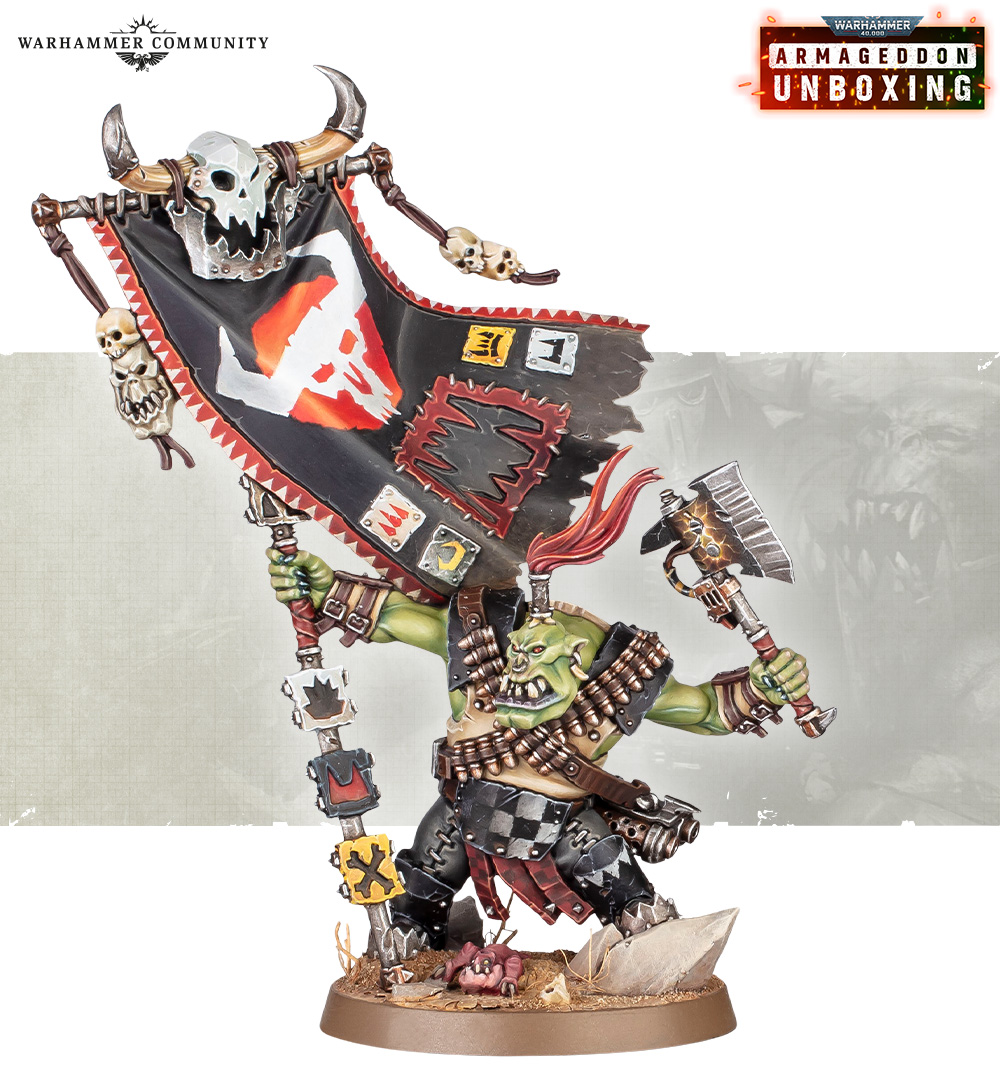
The return of the Waaagh! banner is an excellent surprise, especially when one remembers that previous versions were still made of metal. Having them in our collection, we can say without hesitation that this new iteration is far more impressive in terms of detail and readability. It is also an addition that was clearly missing from Games Workshop’s Ork range, as this kind of iconic piece strongly contributes to an army’s identity on the tabletop. Its relatively large size also suggests the likely arrival of a new Nobz kit in the near future, which would make perfect sense as a complement to this model.
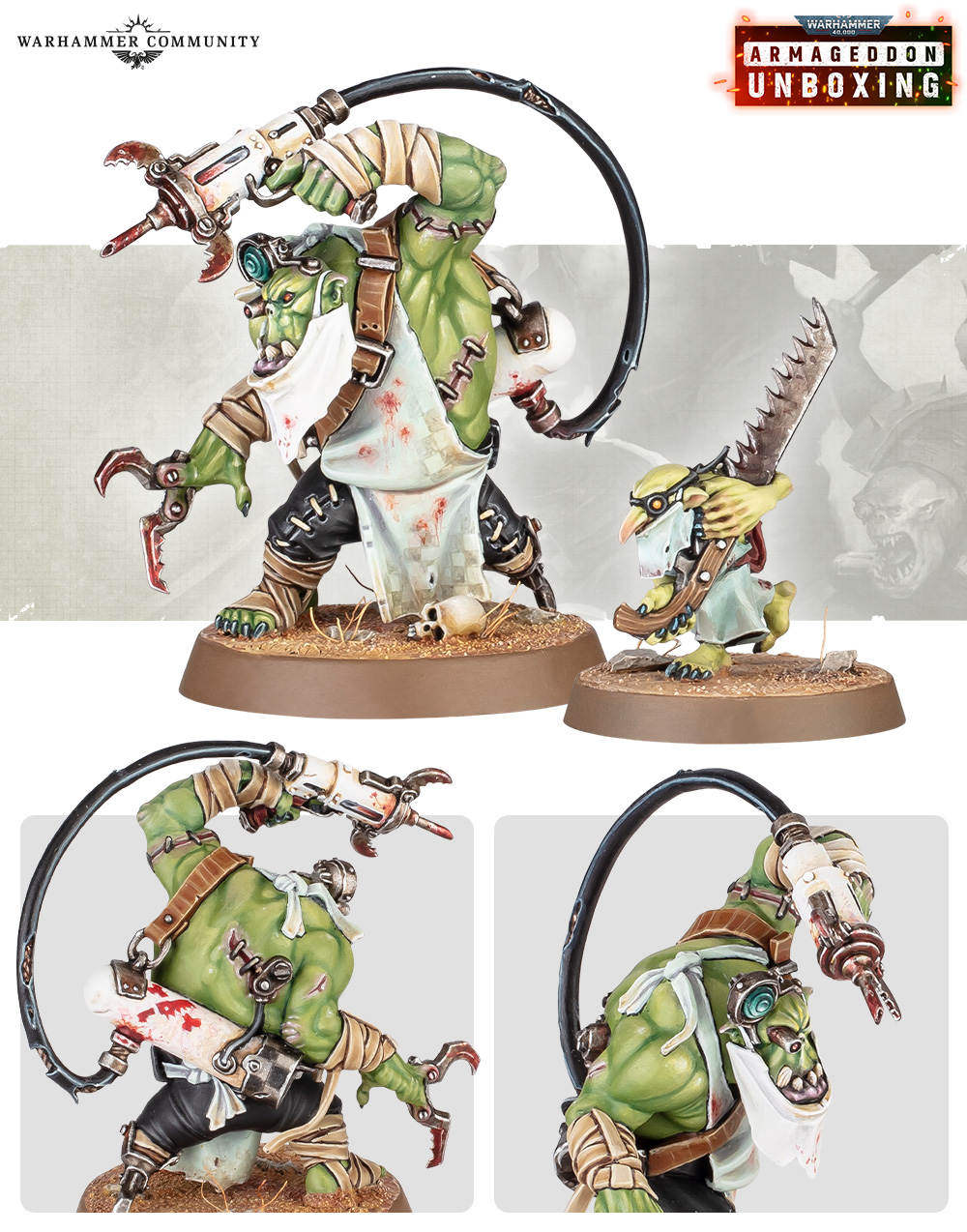
We are personally pleased to see this new Painboy model, as we did not like the old one and, in fact, never bought it, finding it disproportionate and featuring an unconvincing pose. This new version, however, is far more harmonious. The proportions are successful, and the sculpt is genuinely appealing, with a much more balanced and readable silhouette. It is a very strong success, and we are looking forward to getting it.
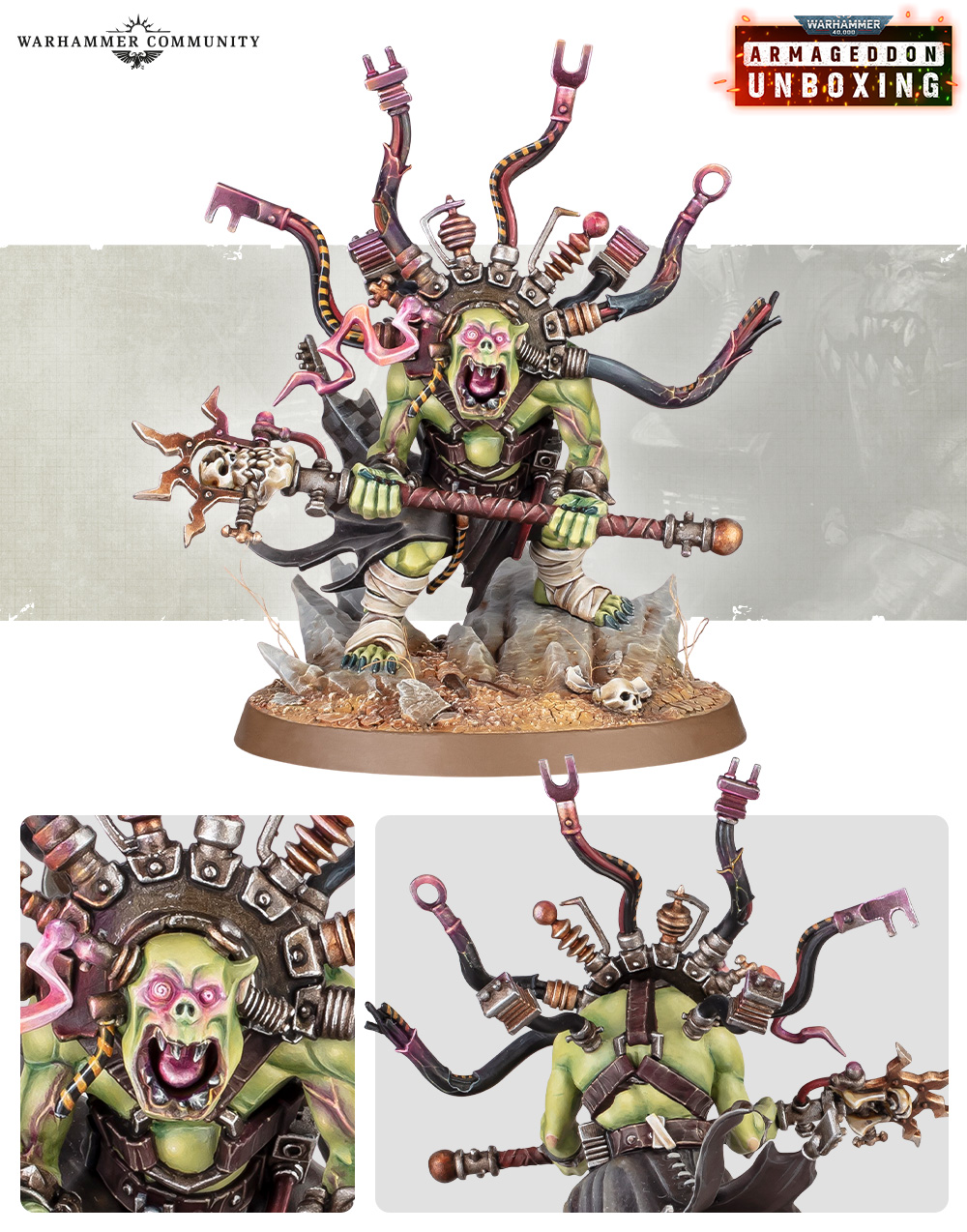
Unfortunately, as with the Chaplain with jump pack, the Weirdboy had already been revealed beforehand, so it didn’t come as a surprise when it was officially announced. On the other hand, like the Painboy, we hadn’t invested in the previous version, which was clearly showing its age. We’re therefore particularly pleased to see a new iteration of this miniature, modern and dynamic, without having to resort to conversions. Within the community, opinions remain divided. As for us, we think it’s a success, it retains a certain simplicity while asserting its identity, with well-crafted details that should offer great painting possibilities.
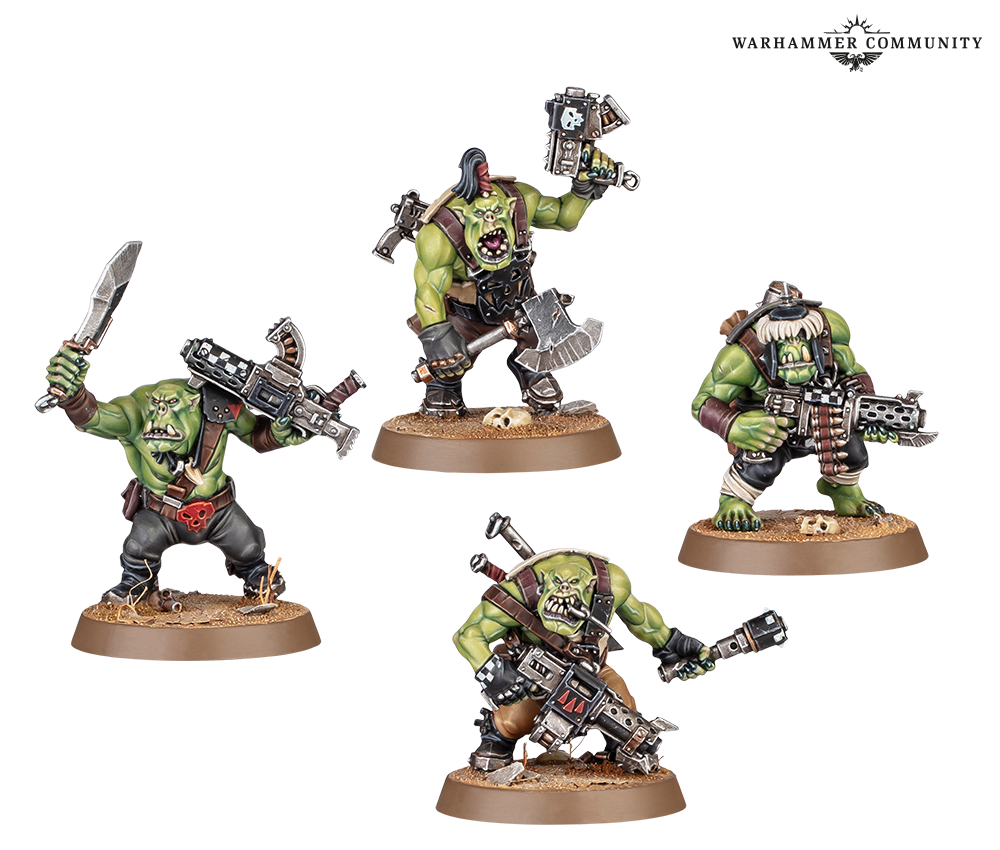
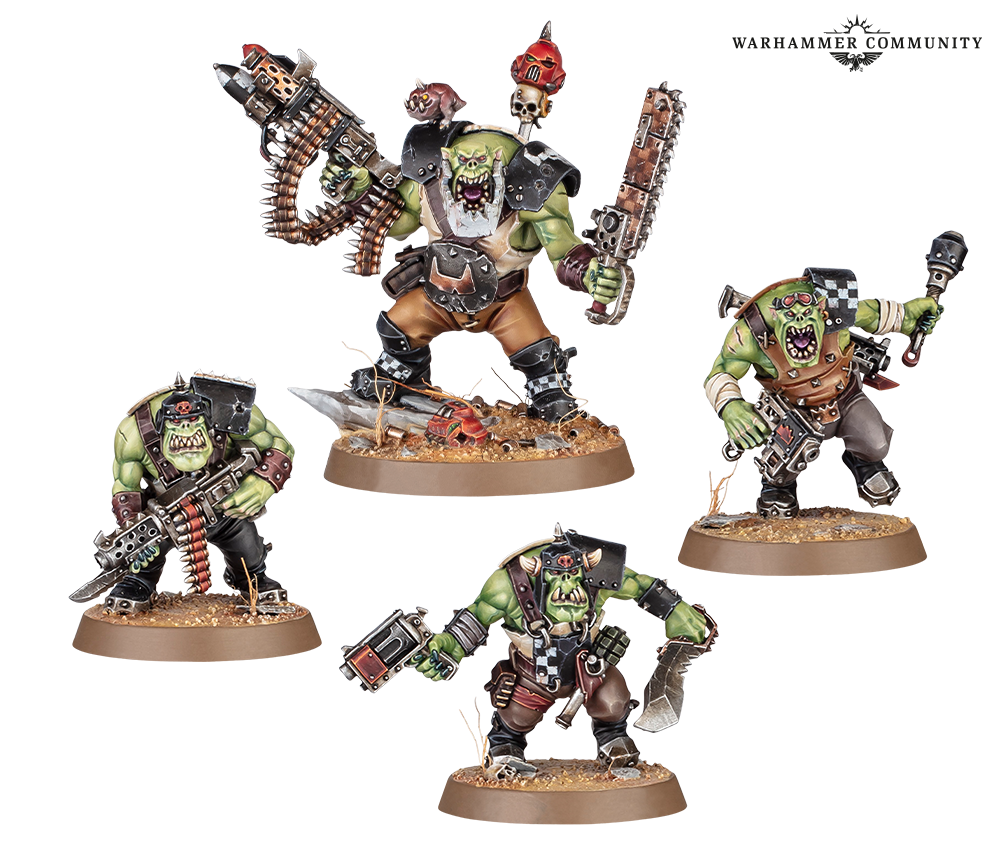
A pleasant surprise on the Boyz side. We already own around twenty of them, and each stands out thanks to a clever dual-pose system that gives them real personality. By combining them with the previous generation, whose proportions remain quite similar, it’s entirely possible to build a sizeable and visually cohesive unit while still maintaining great variety. One question remains, however: will we see a second kit in the future, or will it just be this single sprue? The current lack of heavy weapon options leaves some uncertainty.
What particularly impresses us is that this new version manages to surpass the previous one, which was far from outdated. The miniatures offer an excellent level of detail while incorporating numerous nods to retro Orks, a successful balance between modernity and heritage. One small downside, though: we’ll unfortunately need to rebase our Nobz to stay consistent with the new standards. Thanks to the Adepticon exclusive model we have, we’ll be able either to field a full unit of 20 Boyz or deploy two squads of 10. This flexibility will give us some excellent strategic options.
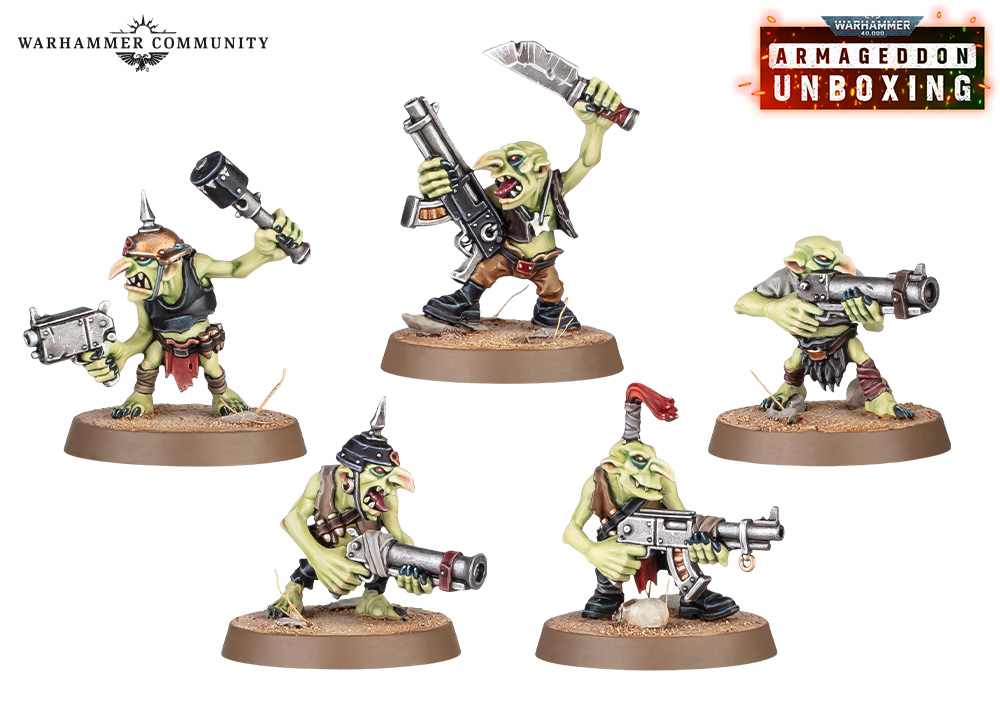
The Gretchins really needed an overhaul. The original kit wasn’t particularly impressive even when it was first released, and over time it had clearly begun to show its age. This new version is therefore a very welcome update: the sculpts are sharper, more expressive, and overall much more in line with current standards.
That said, we would have appreciated larger, pointier ears to further emphasize their mischievous, caricatured look. Another downside is the box contents. We would have gladly seen an additional ten Gretchins included, especially since it’s quite surprising to have fewer of them than Boyz. The absence of the Runtherd suggests it might be released separately, likely as a blister. It also remains to be seen whether additional models will expand the range when the Ork codex is released, as the poses here seem a bit more limited than those of the Boyz, which is a shame, particularly for a unit that’s often fielded in large numbers.
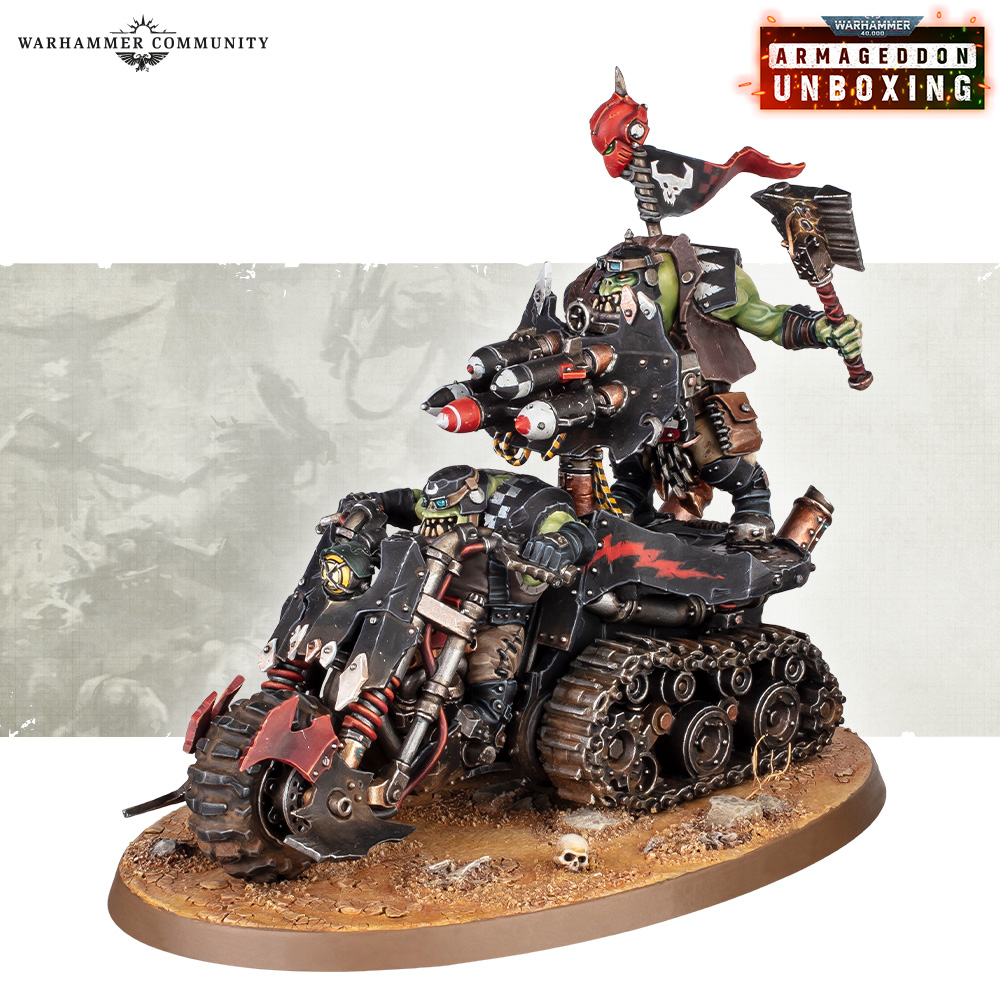
We had heard about it, and here it finally is, a magnificent overhaul of the Wartrakk, bringing a well-known kit from veteran Warhammer 40,000 and Gorkamorka players up to date. The model is now better proportioned and superbly sculpted, with real attention to detail that modernizes the whole without betraying its original identity. This success makes us hopeful for the arrival of bikes in the same style, which would be an excellent evolution for the Ork range.
It’s exactly the kind of “surprise” piece that adds character to a box, something that, in our view, is a bit lacking on the Space Marine side. This isn’t a new unit, but rather the revival of a kit that had long disappeared. And for that alone, it’s a real pleasure to see it return, both for nostalgic collectors and for new players alike.
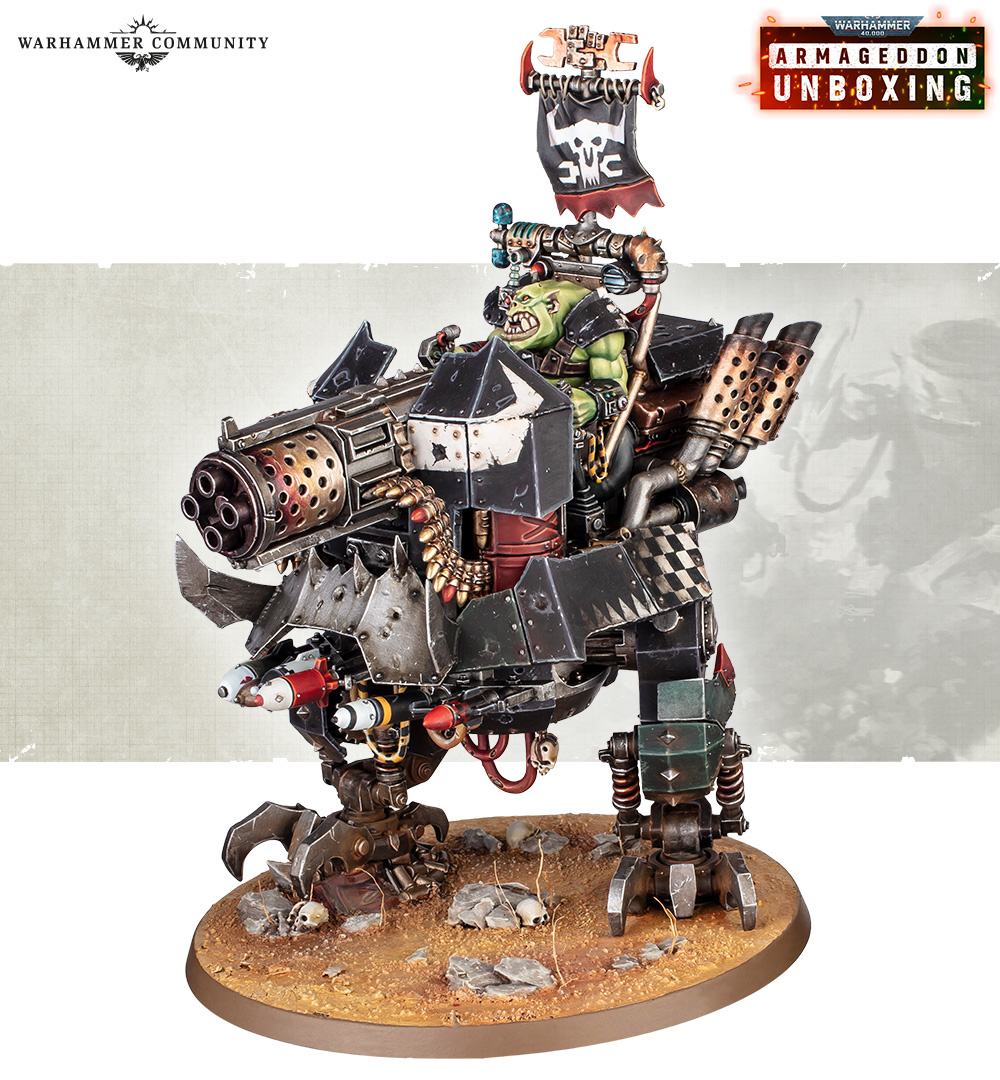
The Big Mek Dakkarig is the real new addition in this box. Overall, the miniature is successful, although we would have preferred a Mek with an even more “mecha” aesthetic. The concept remains interesting and undeniably very “dakka” in spirit, but we can’t help but think that a Forge World Mek-Dread, updated in plastic (with perhaps its Mek variant), would have generated real excitement among Ork players. That said, the release is still solid, even if it’s hard not to feel that Games Workshop could make greater use of these opportunities to update older units or Forge World references that are now difficult to access or no longer available.
Conclusion – Orks
Where the Space Marines left us somewhat disappointed, the Orks fully deliver on their promise. Between superb new sculpts, the revival of long-lost units, and fresh additions, it’s hard to ask for much more. Games Workshop has clearly outdone itself here. The Ork range feels particularly cohesive, dynamic, and respectful of its heritage, while still offering a genuine modernization of the kits. There is a clear intent to blend nostalgia with renewal, which works very well overall.
By contrast, it’s almost a shame the Orks weren’t showcased second during the reveals, as the Space Marines were quickly overshadowed in terms of impact and excitement. The green skins clearly steal the spotlight in this release. A solid 8.5/10 from us.
What does the box offer next? First, we find a pocket-sized rulebook. In our view, this choice feels somewhat underwhelming for a box that is supposed to have a collector’s dimension. While it could make perfect sense in future starter sets, where practicality is key, here it leaves a slightly mixed impression.
One can indeed wonder whether this is a decision driven by cost-cutting. If it translates into a lower final price for the box, it could be justified. However, if the price remains the same or even increases compared to the previous version, which offered no fewer miniatures or content, then it risks being seen as a very poor signal from the publisher.
The Operation Imperator background book is a very welcome addition, in the same vein as the Leviathan section from the previous release. This type of narrative content usually adds real depth to the box, reframing the conflicts and giving the whole experience more substance. That said, it remains to be seen whether the content lives up to expectations, as this kind of publication from Games Workshop can vary quite a bit in quality. Some volumes are rich and inspiring, while others feel more uneven or less engaging in terms of narrative value. Ultimately, it is only upon reading that we can properly assess its quality and usefulness.
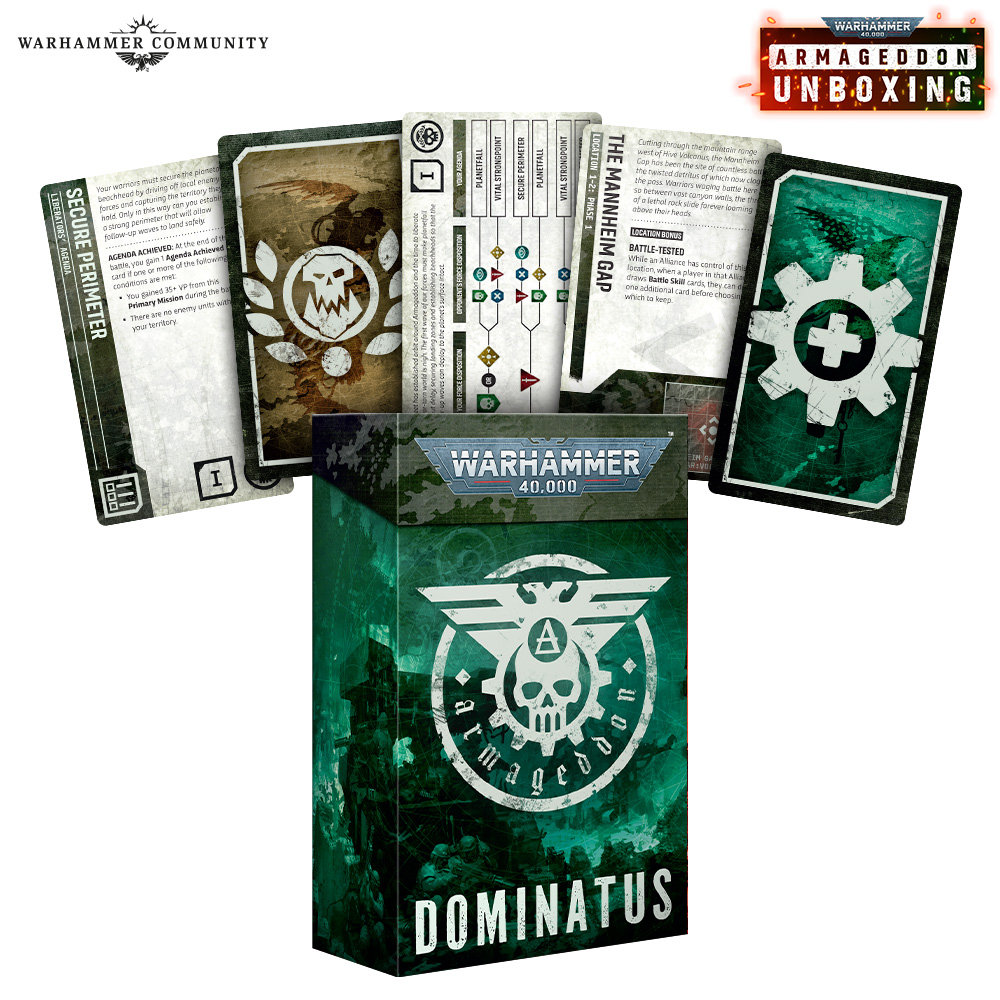
The two sets of mission and campaign cards are also a welcome inclusion. It is always appreciated to see them directly included in the box, especially since they are often highly sought after and quickly out of stock upon release. This avoids the usual scramble for separate purchases and ensures both players immediately have what they need to start playing under good conditions. It’s a practical point that smooths the gameplay experience from the moment the box is opened and enhances its overall value.
Finally, the unit datasheet cards, if Games Workshop truly needed to make savings, this is arguably where they should have done it. These cards will likely become obsolete as soon as the actual launch of 11th edition arrives, and in an increasingly digital era, it is precisely the kind of product that feels outdated. It is really the type of production Games Workshop should consider moving away from.
Conclusion:
The box therefore presents a fairly marked contrast: a particularly exciting Ork side, a more ordinary Space Marine side, and supplementary content that sits somewhere in between the two.
Warhammer Community had announced a stronger return of terrain elements, and it is precisely on this point that the disappointment is greatest. Their absence from the box is noticeable, or at the very least so is the lack of templates or markers that would have allowed players to quickly define terrain zones and streamline early games.
Another notable omission is the absence of a “Spearhead” mode for Warhammer 40,000. This is something many players were expecting, especially when compared to the Age of Sigmar box, which included a dedicated book in its launch content. Here, nothing of the sort has been really highlighted.
Saying the box is bad would be inaccurate. However, the overall feeling is that of somewhat “reheated” content, with several community expectations left unfulfilled. As a result, the hype is not as strong as in previous editions. The final impact will now depend heavily on the price, which could prove decisive. One can only hope it does not follow the recent upward trend seen from the publisher. It is also worth noting that other companies now offer very solid alternatives, both in terms of miniatures and game systems, which are generating increasing interest. Games Workshop, however, still maintains a clear lead in production quality and miniature finish.
In the end, this leads to an overall score of 6/10 for this box. Where we would previously have bought two copies without hesitation, here we will likely stick to just one, and even then, only if the price remains reasonable and it does not end up being relegated to a secondary purchase option.
Don’t missed to support us on PATREON!
Questions, ideas, spelling error or just want to share your thoughts? Leave a comment below! And if you enjoy our work, a little support would help us keep creating more and more content.
See you soon!